
Booking Concert Tickets Smart — Avoiding Scalpers and Hidden Fees
Where to actually buy tickets, how to spot scams, strategies for selling tickets you can't use, and why booking direct saves you serious money.
Why Ticket Buying Actually Matters
Concert tickets aren't just about getting in the door. They're about avoiding the trap of secondary markets where prices balloon, fees hide in fine print, and scammers wait to catch anyone not paying attention. We've all seen it — a €45 ticket suddenly costs €89 at checkout. That's not an accident.
The difference between smart booking and impulse buying? You'll save between 15-40% on most shows. Plus, you won't waste time chasing down counterfeit tickets or dealing with tickets that never arrive. It's worth understanding how this actually works.
The Official Ticket Sources — Start Here
Your first move should always be the venue's official website or the official ticketing partner. Here's what you need to know about each.
Ticketmaster Ireland
This is the dominant player in Ireland. Most major venues — 3Arena, Olympia Theatre, Vicar Street — sell through Ticketmaster first. The fee structure is transparent (usually 10-15% booking fee plus a small per-ticket charge). You'll know the full price before you commit.
The advantage? They've got anti-bot protections, so you're not competing with resellers buying thousands of tickets. You're getting legitimate inventory. Yes, fees exist. But there's no surprise €30 markup at the final step.
Venue Direct
Many independent venues — Whelan's in Dublin, Cyprus Avenue in Cork — sell directly through their own websites. This is actually your best option if it's available. Zero middleman. You're buying straight from the source. Some venues have partnered with smaller platforms like Eventbrite or their own custom ticketing systems.
Pro tip: Sign up for venue mailing lists. They often send early access codes that let you buy before the general sale opens. You'll beat the crowds and snag better seats.
Spotting the Scams — What to Watch For
Resale platforms aren't inherently bad. Stubhub, Viagogo, and Ticketswap serve a real purpose — you might actually need to sell your ticket. But they're also where scammers operate. Here's what gives them away:
Price too low
If a sold-out show is listed at 40% below face value, ask yourself why. Legitimate resellers want to recoup money — they're not running a charity. Suspiciously cheap tickets are often fakes or stolen.
No buyer protection info
Reputable resale sites show you what happens if tickets don't arrive or are invalid. If there's zero mention of guarantees, walk away. You've got no recourse if something goes wrong.
Seller account looks fresh
Check the seller's history. One transaction ever? Created yesterday? That's a red flag. Legitimate resellers have history and ratings. New accounts selling premium tickets for major shows are often operating scams.
Payment outside the platform
Any seller asking you to pay via wire transfer, crypto, or direct bank transfer before tickets are in your hand? That's a scam. Period. Real transactions happen through the platform with escrow protection.
Legitimate Resale — How to Sell Tickets You Can't Use
Life happens. You've bought tickets and now can't make it. Here's how to sell them without becoming a scammer yourself and without losing your shirt to fees.
Ticketswap vs Stubhub vs Venue Resale
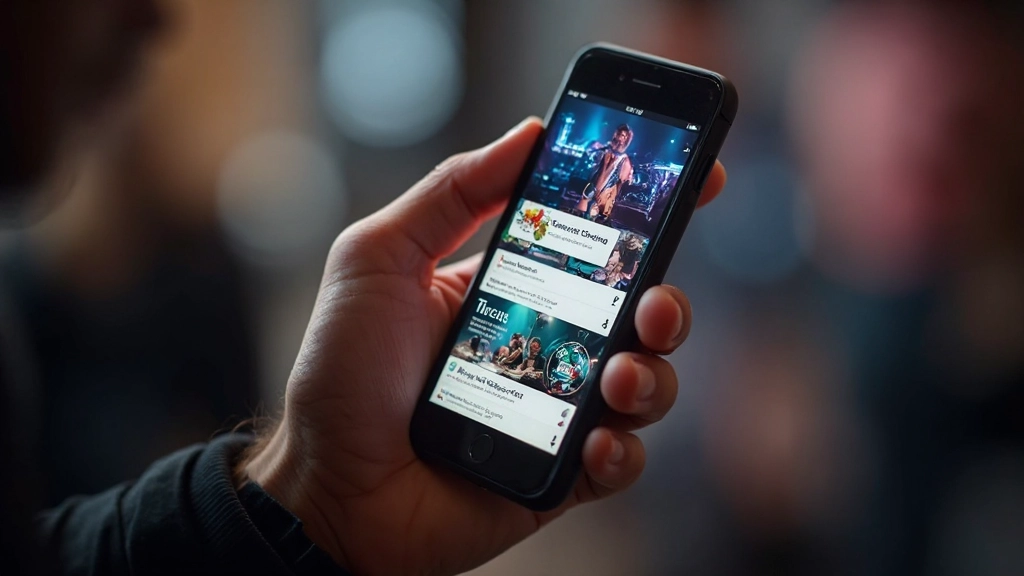
Ticketswap is popular in Europe. They charge a fixed €2-3 per ticket to the buyer, and you keep the full price you set (minus a small seller fee). It's transparent. Stubhub takes a bigger cut but has stronger buyer guarantees. Many venues now run their own resale through the original ticketing platform — that's often your cleanest option because you're going through the official channel.
When you list, be honest about the seat location and any restrictions. Don't price like a scalper trying to triple your money — that's how people report listings as fraud. Price it fair and it'll sell quickly. You'll recoup most of your money and keep your integrity.
The Hidden Fee Reality
Here's what most people don't realize: you might pay fees on both ends. When you originally bought, you paid fees. When you resell, you pay again. That €60 ticket cost you €72 at purchase. You'll list it at €60 to move it quickly. After resale fees (usually 8-12%), you'll pocket around €53. Not ideal, but that's the cost of changing plans.
Smart Booking Strategy — The Steps That Actually Work
Knowing where to buy is half the battle. Here's the actual workflow that'll save you money and stress.
Find the official source first
Go to the venue website. Look for their ticketing partner. If it's Ticketmaster, book there. If they sell direct, go direct. This is always your best option for price and authenticity.
Check the full price before committing
Don't click buy until you've seen the total. Booking fees, service charges, delivery — it should all be visible. If you're getting to checkout and suddenly the price jumps 25%+, that's a red flag. Legitimate sites show you everything upfront.
Verify you're on the actual website
Phishing sites are real. Double-check the URL. Look for HTTPS. If you arrived through a link on social media, don't trust it — navigate directly to the venue or Ticketmaster's official site yourself. Type the address into your browser.
Save your confirmation immediately
Screenshot or print your confirmation email. Get the reference number. Venue name. Date. Price paid. If anything goes wrong, you've got proof of what you purchased. Don't delete that email for at least 3 months after the show.
The Hidden Fees Breakdown — What's Actually Normal
Let's be clear: some fees are legitimate. Venues need to process payments, servers cost money, staff handle customer service. But there's a difference between reasonable costs and price gouging.
Booking fee (8-15%)
Normal. This covers payment processing and platform costs. Ticketmaster's is around 10-12%. Reasonable.
Facility charge (€1-3)
Normal. Per ticket, flat rate. Goes to the venue. Transparent and usually small.
Delivery fee (€0-5)
Depends. Email delivery should be free. Physical tickets or express delivery? €3-5 is fair. Anything higher is a ripoff.
Hidden "service fee" (10%+)
Red flag. This is on top of booking fees and shouldn't exist. Some sketchy sites layer this in. Avoid.
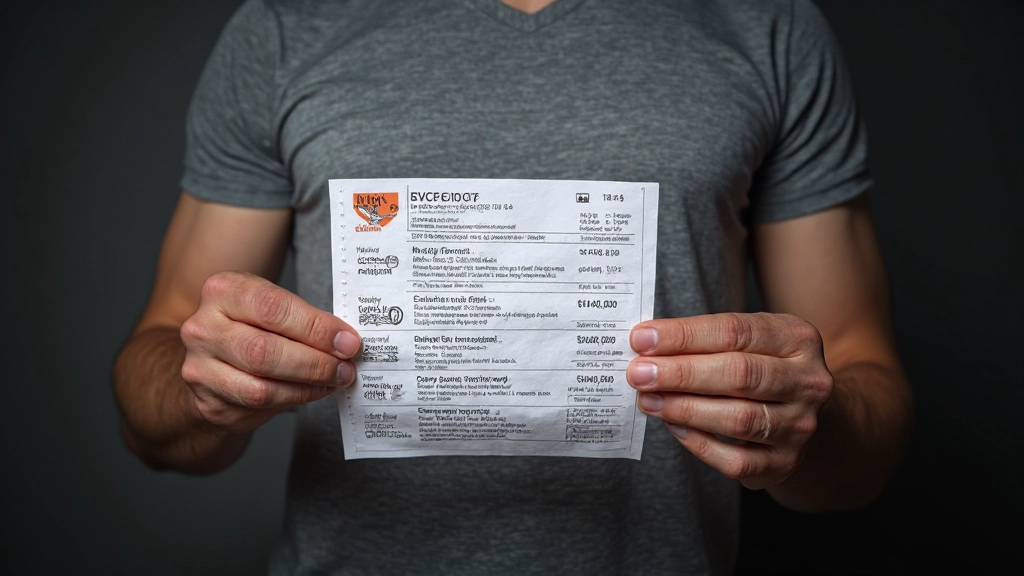
Example: A €45 ticket on Ticketmaster becomes €45 + €5.50 booking fee + €1.50 facility charge + €0 delivery (email) = €52. That's 15.5% total. Annoying but normal. If it's €45 + €15 in random fees, something's wrong.
Final Tips — The Stuff That Actually Saves You Money
Beyond choosing the right platform, here are the practical moves that'll keep more euros in your wallet.
Buy Early or Wait
Tickets are cheapest on the day they go on sale. Prices don't drop — they climb as the show approaches. If you're genuinely interested, buy within the first 48 hours. If it's a niche artist, waiting until the week before might mean discount codes, but that's rare for major acts.
Skip the resale unless necessary
Secondary markets exist for emergencies. If you're hunting for deals on resale sites, you'll find marked-up prices 99% of the time. Legitimate resellers want their money back plus a small profit. The deals are mythical.
Join venue loyalty programs
3Arena and Olympia have loyalty schemes. You get early access to tickets and sometimes discounts. It's free to join. The early access alone saves you money because better seats are still available when you buy.
Set a budget and stick to it
Fees will tempt you to spend more. Know your maximum including all fees before you buy. When you see the final price, it shouldn't shock you. That discipline prevents impulse purchases you'll regret.
Ready to book smarter?
Start with the venue's official website. Check the full price before you commit. Save your confirmation. That's it. You're already ahead of most people buying tickets on impulse.
Explore More Live Music GuidesRelated Reading

Finding Authentic Irish Sessions — Where Locals Actually Go
The best traditional music sessions aren't always advertised. We've mapped out where they happen and how to find them.
Read More
Ireland's Best Music Festivals — Complete Calendar for 2026
From Electric Picnic to Longitude, here's what's happening, when to book tickets, and what to expect.
Read More
Dublin's Iconic Venues — History, Acoustics, and What to Expect
We've reviewed the major venues — from the Olympia to the 3Arena. Sound quality, accessibility, and what makes each special.
Read MoreDisclaimer
This article is for informational purposes about concert ticket purchasing practices in Ireland. Ticket pricing, fees, and platform policies change regularly. We've done our best to reflect current information as of February 2026, but we recommend verifying details directly with venues and ticketing platforms before making purchases. Always check the official venue or Ticketmaster Ireland websites for the most current pricing and ticket availability. While we've highlighted common scams and best practices, individual circumstances vary. Your responsibility is to research thoroughly and verify you're purchasing from legitimate sources.